

Annibale Fagnola 1936
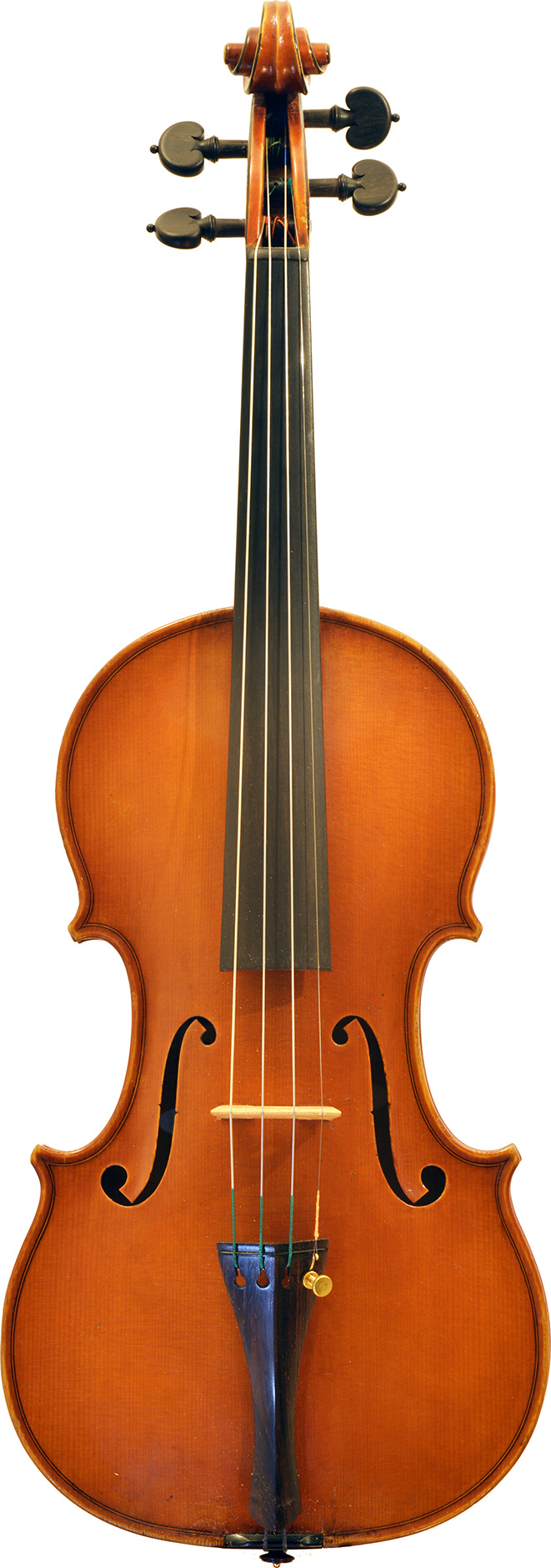
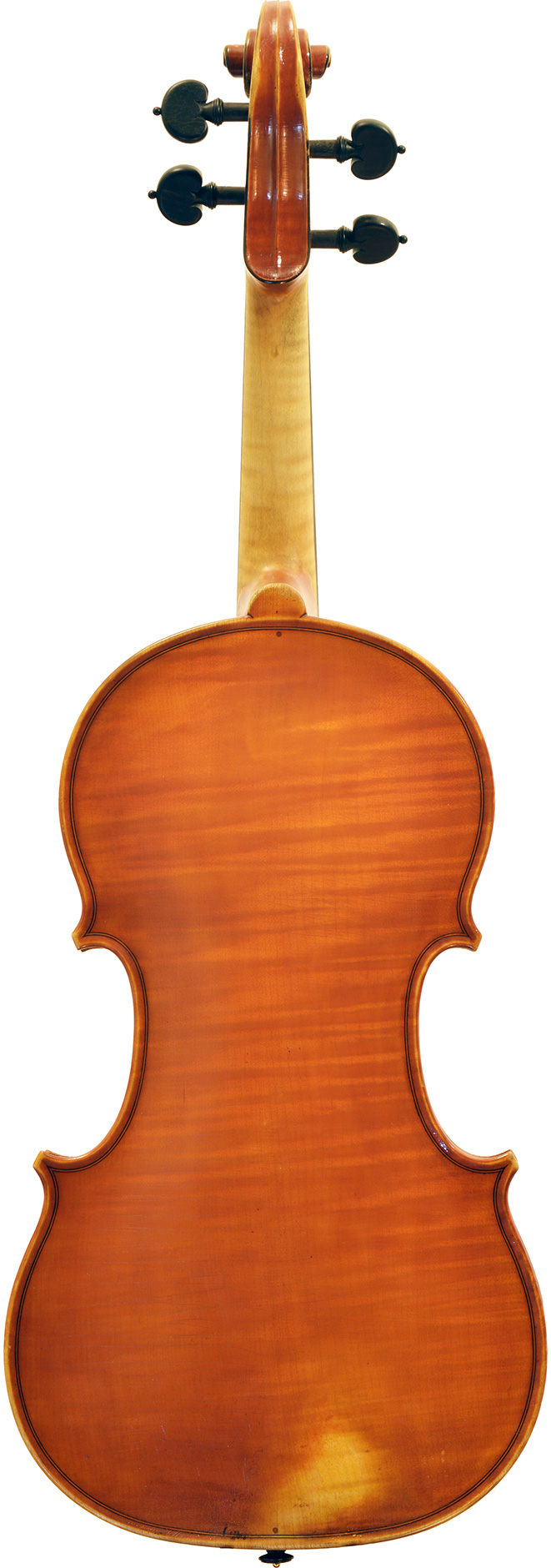
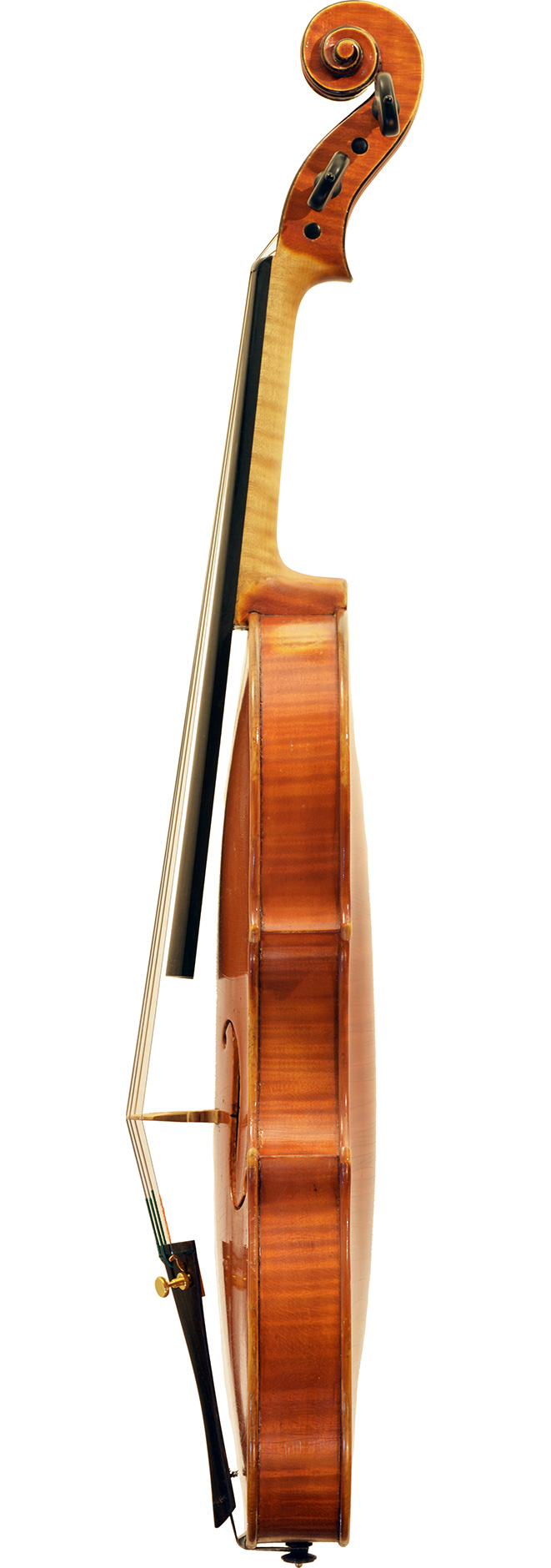
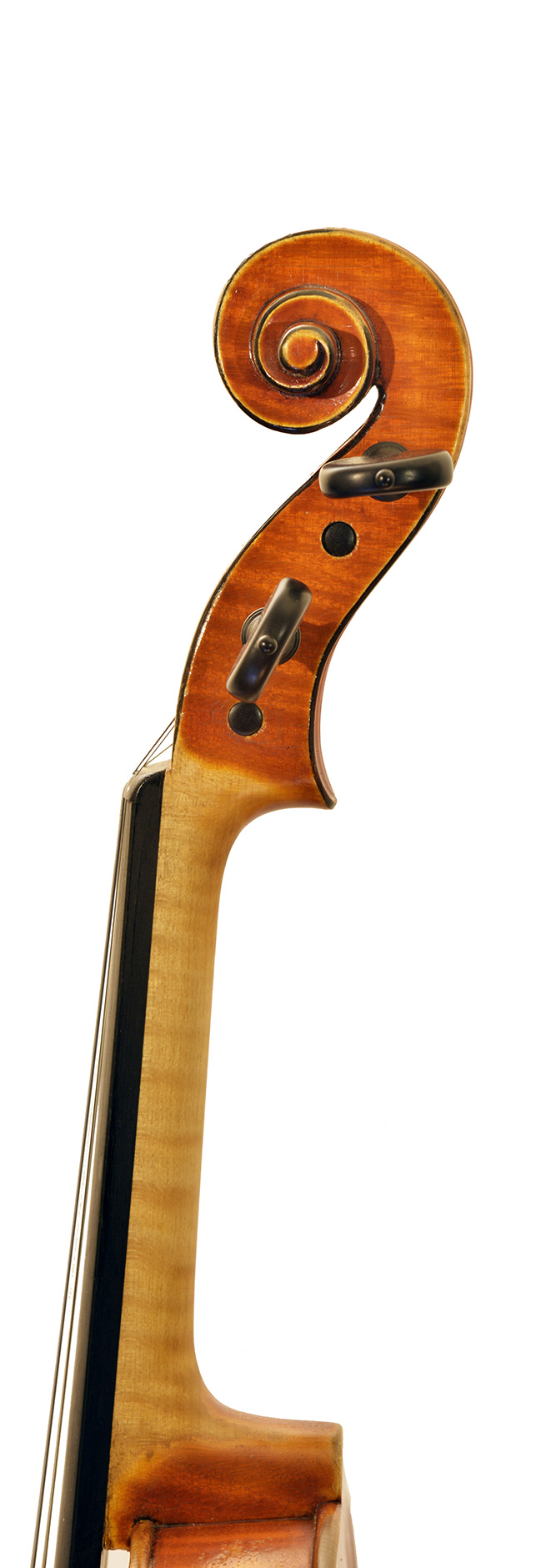
Annibale Fagnola is regarded as one of the leading figures of the Turin school, active from the late 19th to the early 20th century in Italy.
Although he did not train within the traditional apprentice system, he developed his craft through intensive study of historic master instruments and practical experience. Despite this unconventional background, the exceptional quality of his work places him alongside the most distinguished makers of his time.
Fagnola closely studied the Turin tradition, particularly the works of Guadagnini, Pressenda, and Rocca, while also drawing inspiration from the classical Cremonese tradition, most notably Antonio Stradivari. Through this synthesis, he established a highly personal and refined style.
His participation in international exhibitions—Genoa in 1906 and Turin in 1911—marked a turning point in his career, bringing him widespread recognition both within Italy and abroad.
This violin was made in 1936, during the final and most mature period of Fagnola’s career.
It reflects a lifetime of experience, combining a stable and confident construction with a refined sense of form. The instrument clearly displays the elegant proportions characteristic of the Stradivari model.
Acoustically, the violin offers a quick response and clear articulation, with a natural balance and breadth of sound across all registers.
Its tone combines transparency with a strong core, making it equally well suited for solo performance and chamber music.
Among 20th-century modern Italian makers, Fagnola is especially valued for his profound understanding of historical models and his ability to unite this knowledge with outstanding practical performance.
This instrument stands as a fine example of his achievement at the height of his craftsmanship.