

Enrico Rocca 1914
Enrico Rocca, a leading figure of the Turinese School of the 19th century, was born in Turin in 1847 as a son of Giuseppe Rocca.
Soon after his birth, his family moved to Genoa and he spent his boyhood there. It is said that he learned the basic skills of woodwork in his father’s atelier in those days. In 1865, he was in his late teens and still in his apprenticeship to be a professional when his father suddenly passed away. After his father’s death, he left his house and worked near Genoa Harbor as a sailor, shipwright and woodworker for many years to make a living. It is thought that his tough and practical sense of woodwork was cultivated in those days and was applied later for musical instrument making.
In 1878, he established his own atelier in Genoa. For about the first dozen years, he mainly made plucked string instruments like lutes, Lombardian mandolins and guitars.Violin making joined his profession in 1890s.
Eugenio Praga, a renowned craftsman from Genoa, strongly influenced Rocca. A theory is strongly supported that Rocca’s designs and structures are closer to Praga’s than his father’s. In 1901, when Praga passed away, Rocca established his position as the top ranked maker in Genoa, and many of his artwork started to be distributed to merchants and players abroad, mainly in Britain.
It is said that he was in charge of maintenance of Guarneri del Gesu “Il Cannone” possessed by Genoa City Government, which suggests his solid reliance in the local.
He passed away in June of 1915 at his home in Genoa. His artwork of 1900-1915 or around, of his later years, is most highly evaluated today.
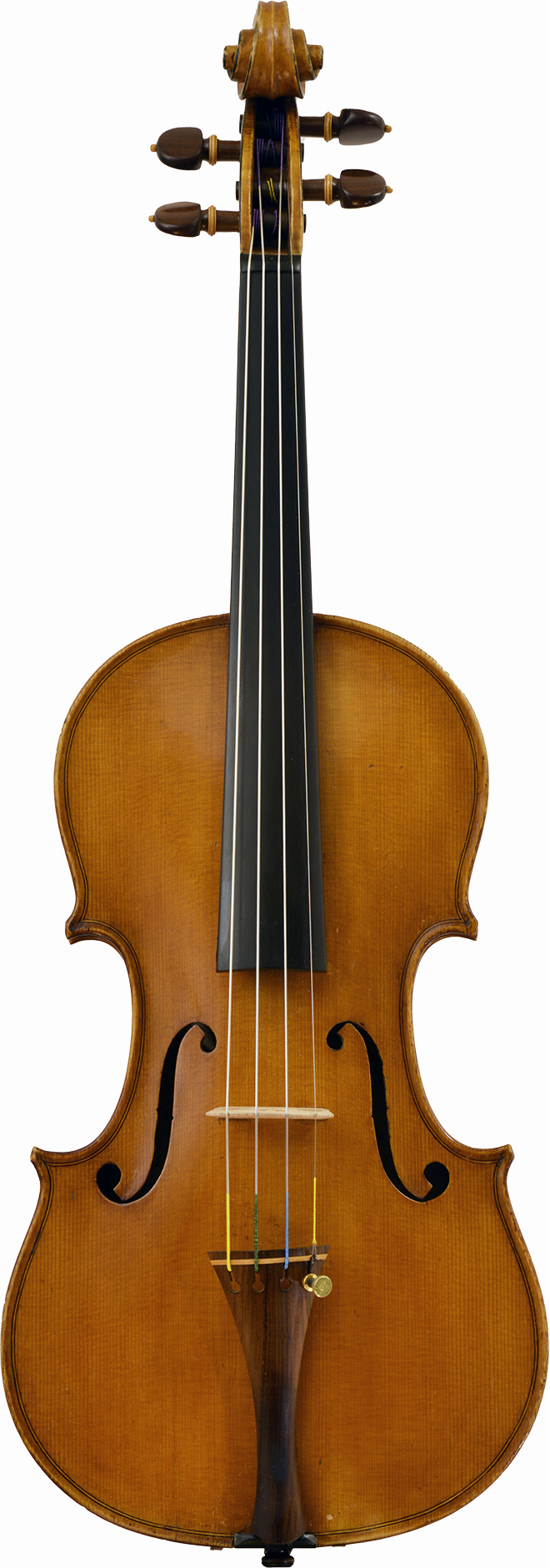
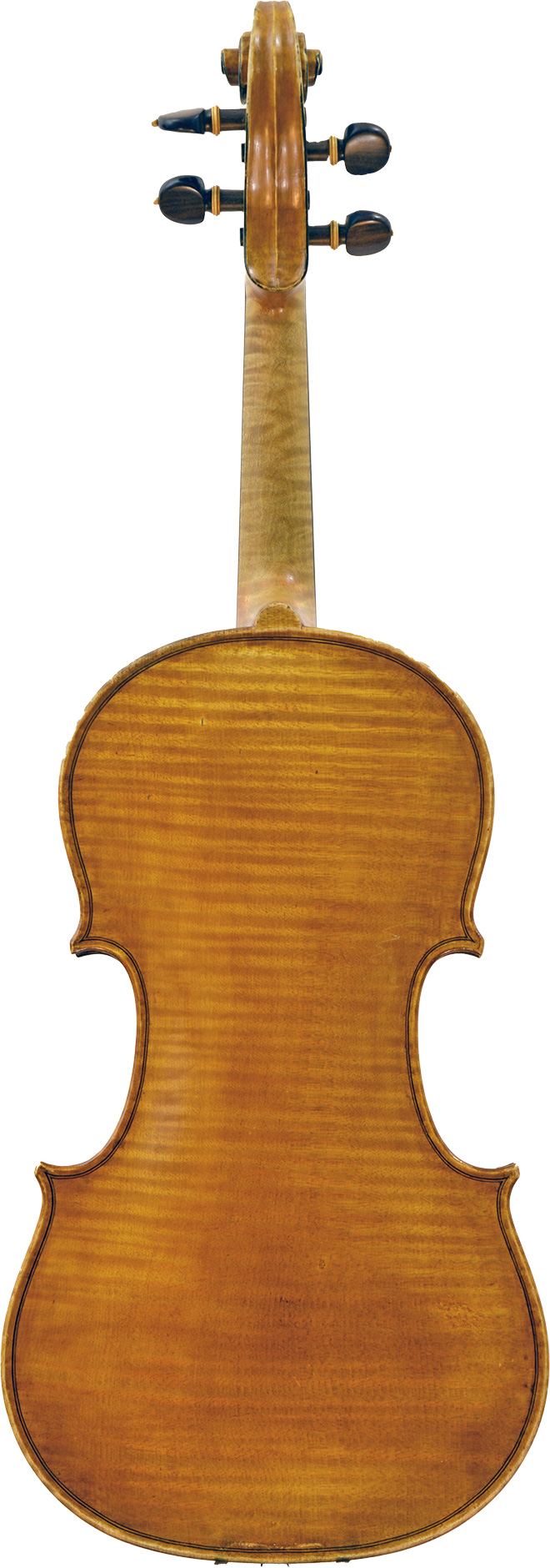
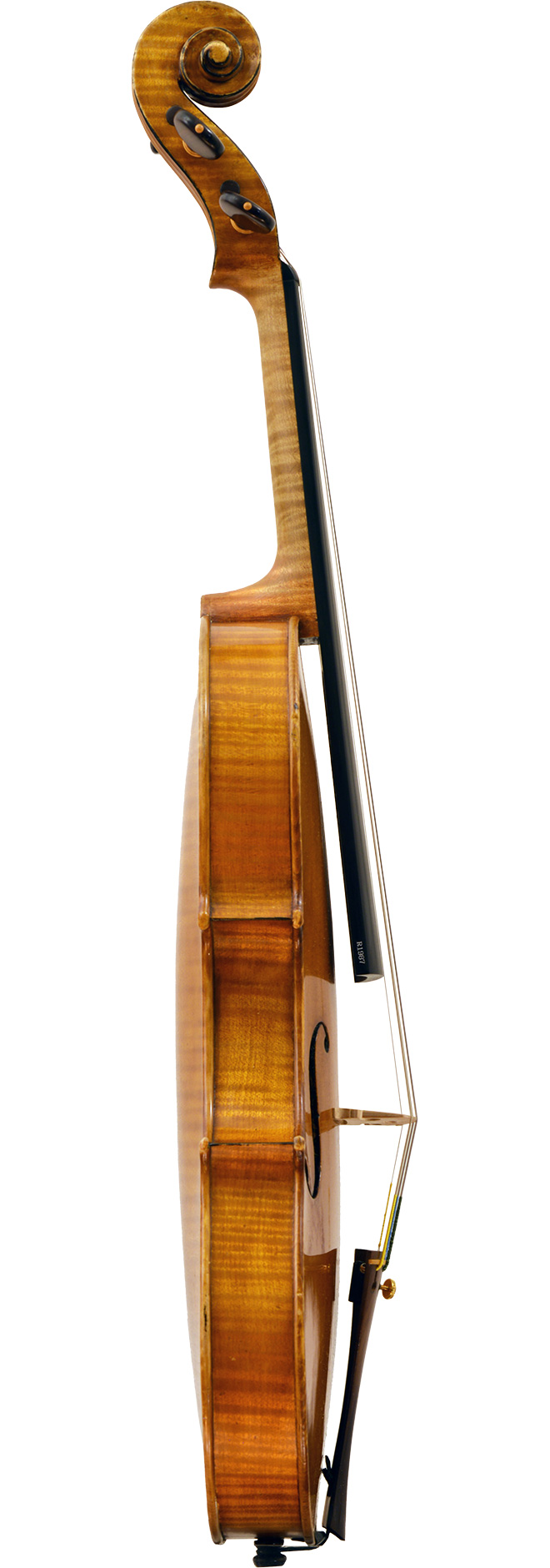
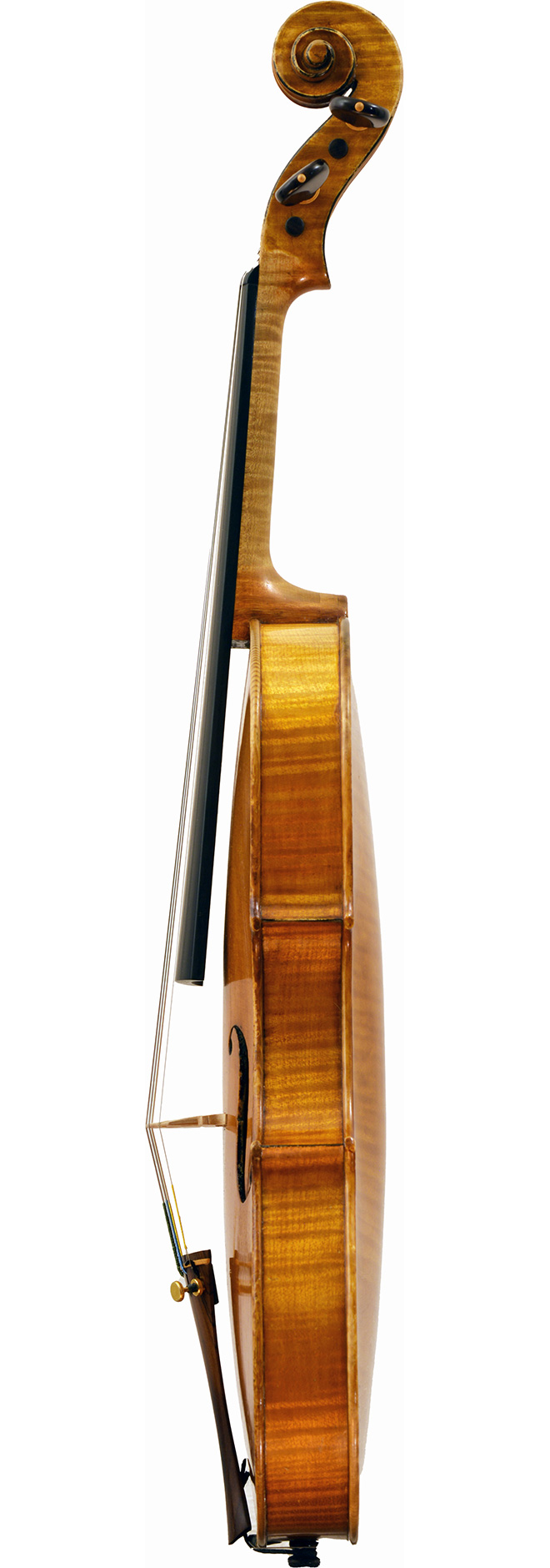
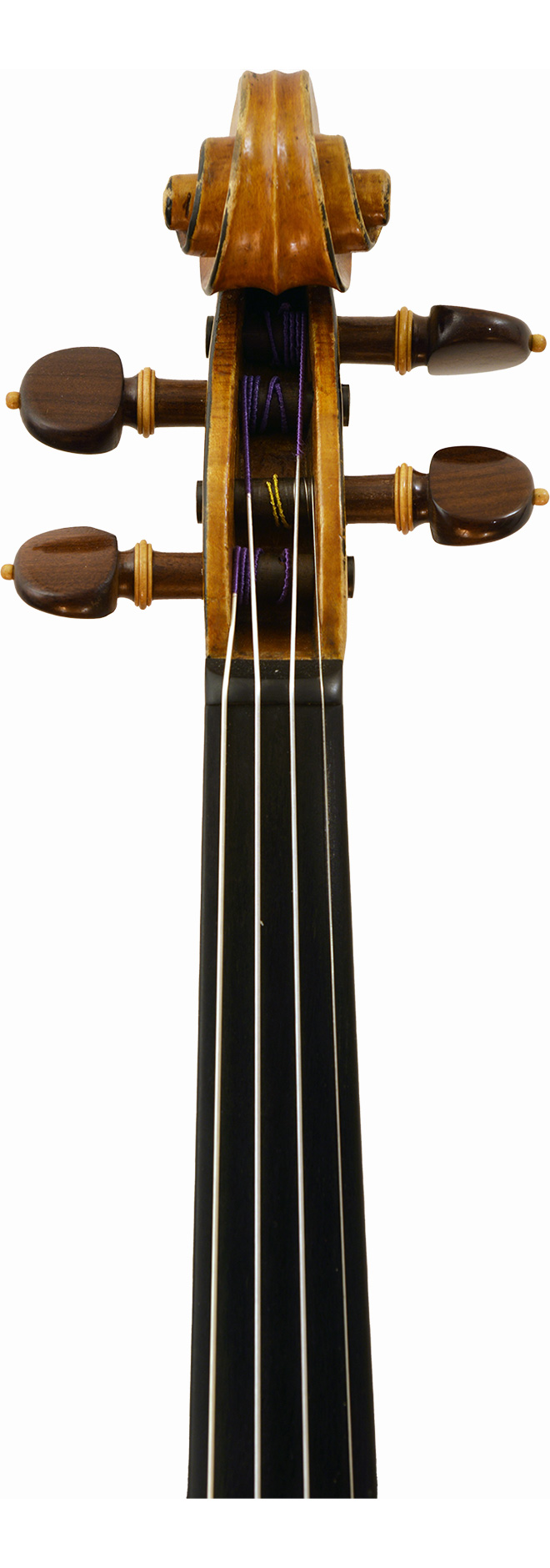
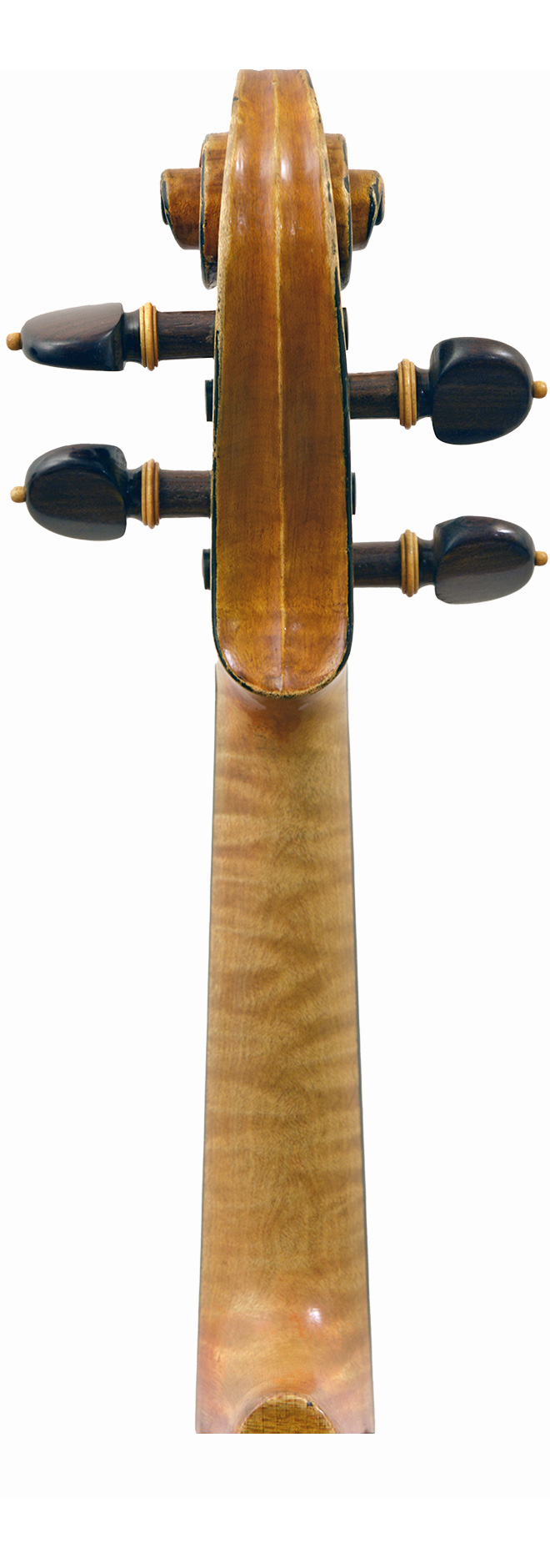
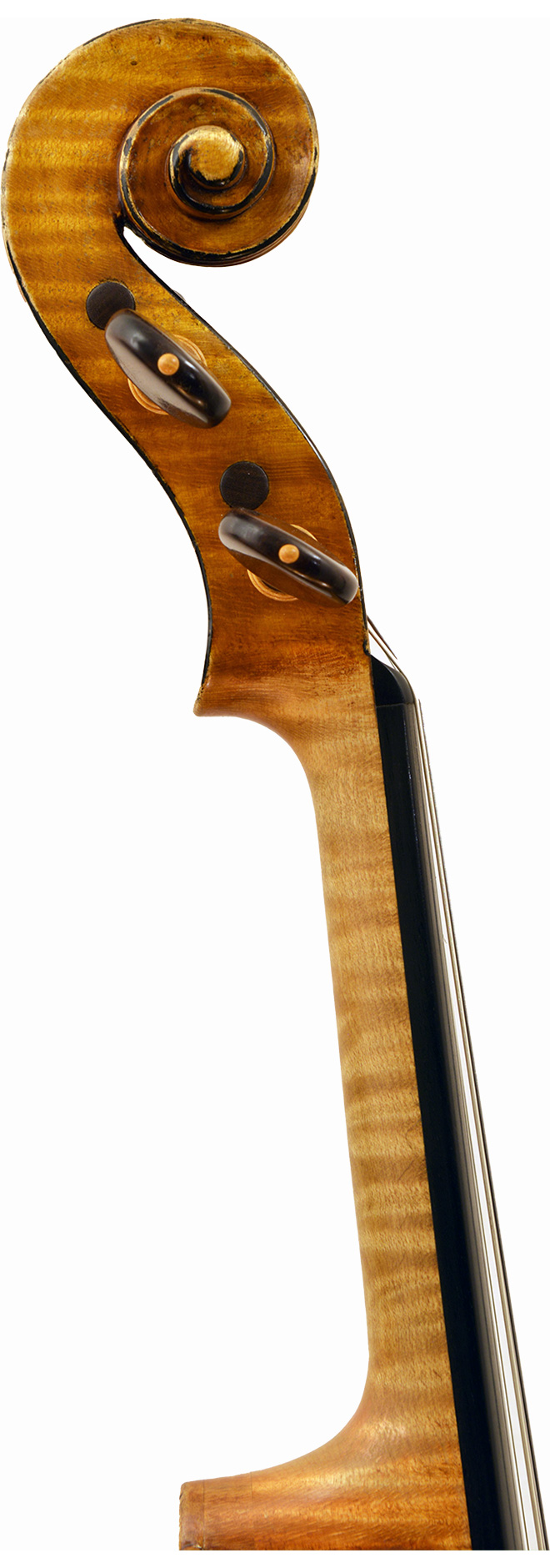
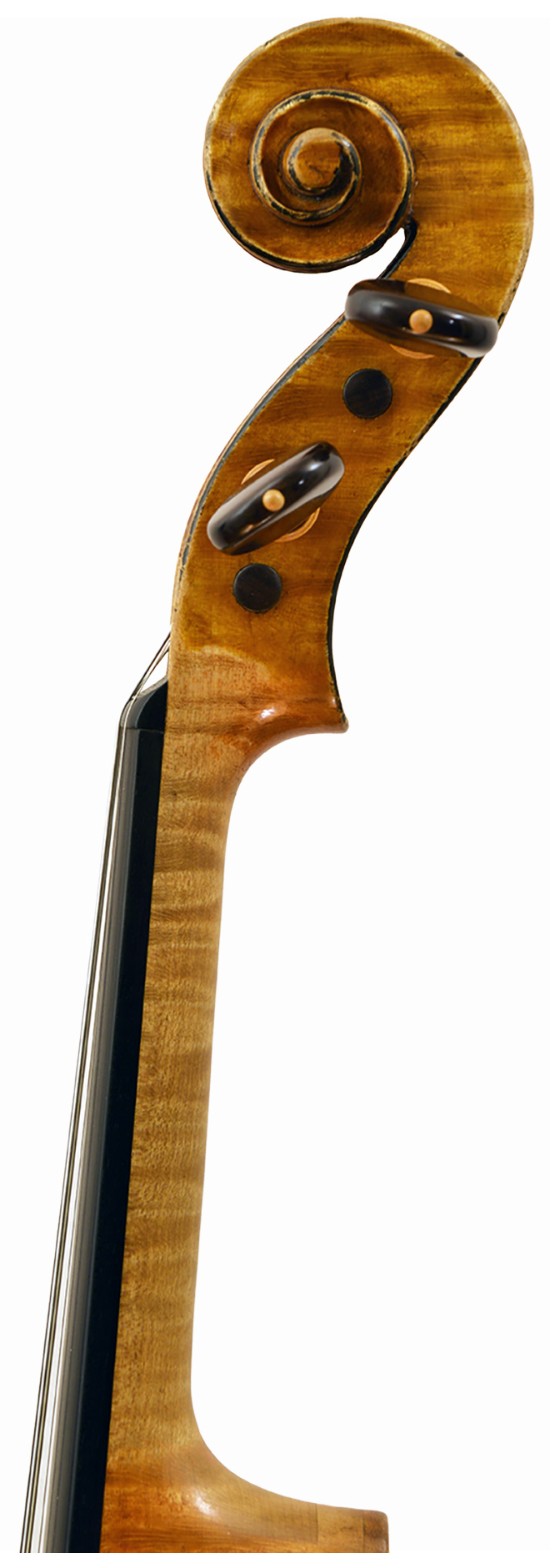
This violin, made in Genoa in 1914, clearly shows the style of Enrico Rocca’s later years.
The refined golden colored varnish is one of the characteristics of his later years and adds to the rich expressions. The well-rounded arch, edge work and corners feel like his robust knife work and create dignified beauty of craftwork.
This violin has quick and clear articulation, brilliant high and mid tones and full-bodied low tones. These characteristics describe the perfect sound of Rocca’s later years, which is practical for soloists and can reach the farthest corners in a hall.
It is the very masterpiece that describes the maturity Rocca finally reached in his later years, made just one year before his passing away.